


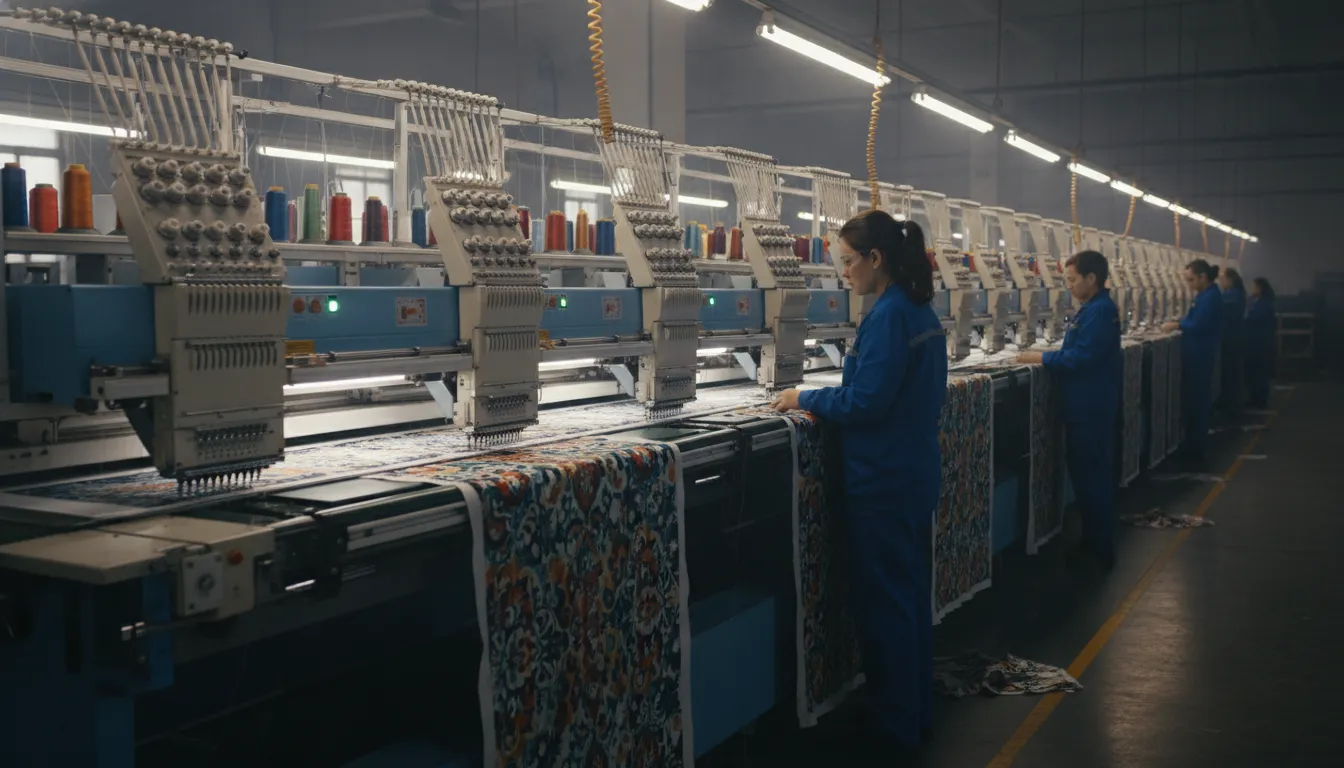
Starting a Profitable Embroidery Business Today
The embroidery industry has experienced steady growth over the past decade as fashion brands, garment manufacturers, and textile businesses continue to demand high-quality embroidered designs. From custom logos on uniforms to decorative patterns on garments, embroidery adds value and uniqueness to textile products. For entrepreneurs and small workshop owners, starting an embroidery business can be a highly profitable opportunity when supported by the right machinery and production strategy.
With the advancement of modern embroidery technology, it has become easier than ever to establish a professional embroidery workshop. High-speed embroidery machines, multi-needle technology, and automated stitching systems allow businesses to produce detailed embroidery designs quickly and efficiently.
Understanding the Embroidery Market
Before starting an embroidery business, it is important to understand the potential market demand. Embroidery services are widely used across several industries, including fashion, uniforms, promotional clothing, sportswear, and decorative textiles.
Many garment manufacturers and clothing brands outsource embroidery work to specialized workshops. This creates an opportunity for embroidery businesses to provide services such as:
• Logo embroidery for company uniforms
• Decorative embroidery for fashion garments
• School and sports uniform embroidery
• Custom embroidery designs for brands
• Beads and sequin embroidery for designer clothing
As the demand for personalized clothing and unique fashion continues to grow, embroidery services remain an essential part of textile production.
Choosing the Right Embroidery Machine
One of the most important investments when starting an embroidery business is selecting the right embroidery machine. Industrial embroidery machines are designed to handle continuous production and complex embroidery patterns with high accuracy.
Modern machines operate at speeds of up to 1500 RPM, allowing workshops to complete embroidery projects quickly while maintaining consistent stitching quality. Multi-needle embroidery machines are particularly useful because they allow automatic thread color changes, reducing manual work and improving productivity.
Choosing a reliable machine with durable construction and advanced features ensures long-term performance and smooth production operations.
Setting Up an Efficient Workshop
A well-organized workspace plays a crucial role in embroidery production. The workshop should be arranged to allow easy machine operation, thread management, and fabric handling.
Basic requirements for setting up an embroidery workshop include:
• Industrial embroidery machine
• Thread and embroidery material storage
• Computer system for embroidery designs
• Adequate lighting and ventilation
• Skilled machine operators
Proper workspace organization improves productivity and helps prevent machine interruptions during production.
Developing Strong Customer Relationships
For any embroidery business, building long-term relationships with clients is essential. Garment manufacturers and clothing brands often require regular embroidery work, making them valuable long-term customers.
Providing reliable embroidery services, consistent design quality, and timely delivery helps build trust with customers. Businesses that maintain strong customer relationships often receive repeat orders and referrals.
In addition, offering customization services and flexible production options can attract a wider range of clients.
Leveraging Modern Embroidery Technology
Modern embroidery machines include advanced features such as digital control panels, automated thread trimming, and precision stitching mechanisms. These technologies make embroidery production more efficient and easier to manage.
Operators can load embroidery designs digitally and monitor machine performance in real time. This reduces human error and ensures consistent embroidery results.
Workshops that invest in advanced machinery are better equipped to handle large production orders and complex embroidery designs.
Growing Your Embroidery Business
Once the business is established, expanding production capacity can lead to significant growth. Adding additional embroidery machines, hiring trained operators, and accepting larger contracts can help increase business revenue.
Many successful embroidery businesses begin with a single machine and gradually expand into larger production facilities.
Companies like Luck International support embroidery entrepreneurs by providing high-performance machines designed for speed, precision, and durability.
With the right equipment, skilled operators, and strong customer relationships, starting an embroidery business can become a profitable and sustainable venture.

